
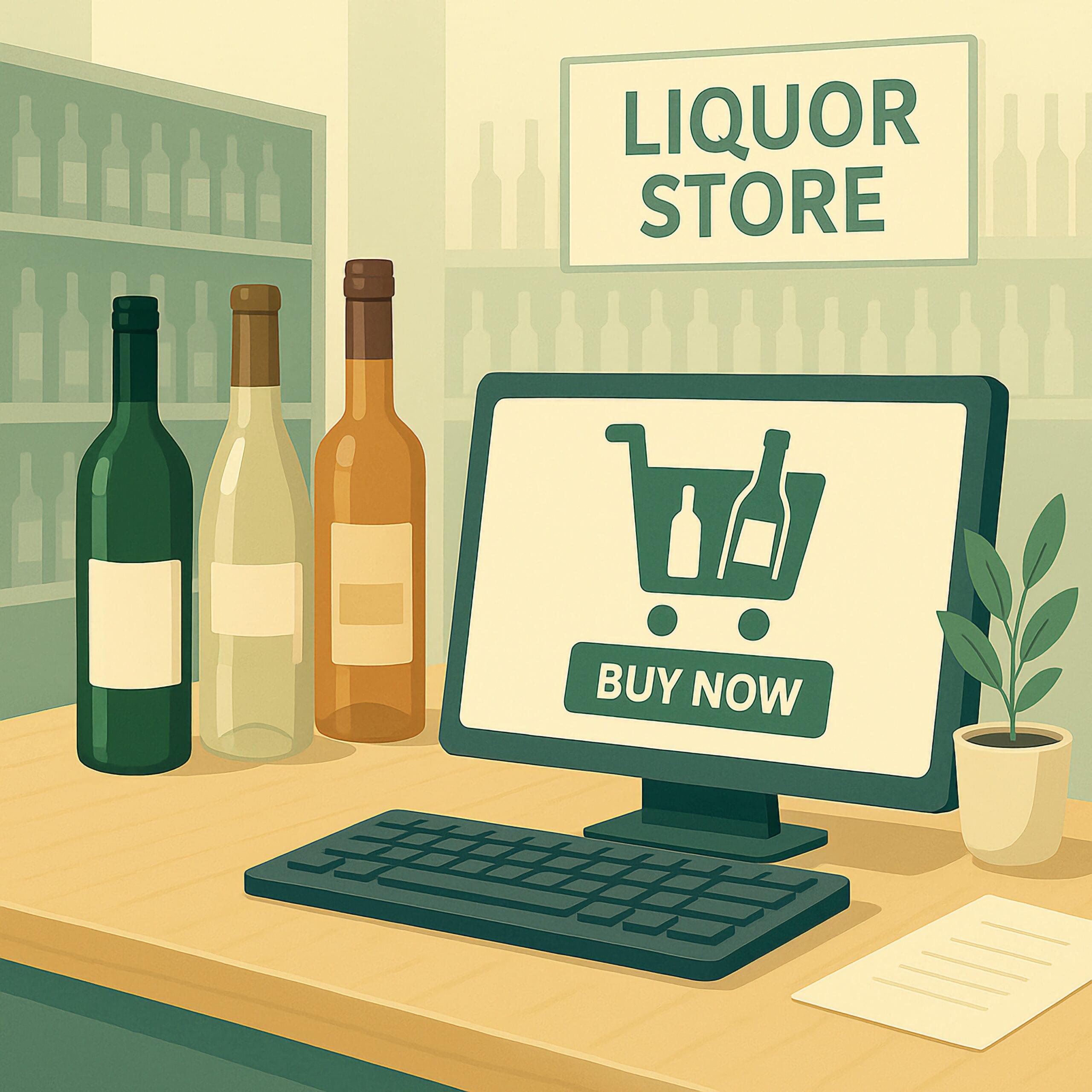
Understanding Liquor Merchant Accounts & Alcohol Payment Processing
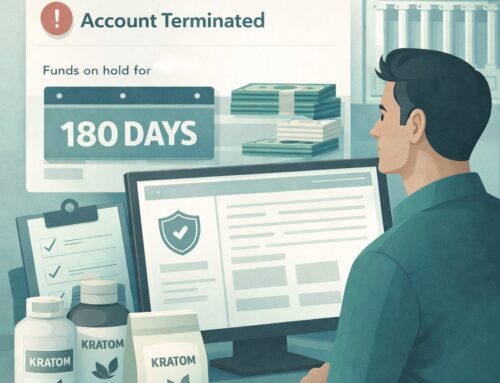
You process a strong week of alcohol sales, log in to your dashboard—and see the words every merchant dreads: “Account under review.” A few days later, your processor shuts down the account and holds thousands of dollars in funds. The reason? They finally noticed you sell alcohol.
This happens to alcohol merchants every day when they rely on standard payment providers.
Whether you operate a liquor store, wine shop, craft brewery, distillery, or online spirits store, you need an alcohol merchant account and secure payment processing setup that’s built for liquor sales from the start—not a basic low-risk account waiting to be frozen.
Key Highlights
- Why standard processors fail: Aggregators like Stripe, PayPal, and Square routinely shut down alcohol merchants once they detect liquor or online alcohol sales.
- Specialized alcohol merchant accounts: Built specifically for alcohol merchants with compliance screening, higher tolerance for chargebacks, and stable underwriting.
- What alcohol payment processing costs: Most alcohol merchants see 3–5% processing rates and may face 5–10% rolling reserves held for 90–180 days.
- Compliance requirements: State liquor licenses, TTB permits, documented age verification, clear shipping policies, and website compliance checks.
- Online vs retail: Brick-and-mortar liquor stores have more payment options; online alcohol sales require stricter controls and fewer processors support them.
- Protecting your business: Choosing a processor with alcohol industry experience helps avoid account freezes and surprise shutdowns.
Why Alcohol Merchants Are Treated as High Risk
Alcohol businesses operate inside one of the most regulated payment categories. For processors, the combination of age restrictions, shipping laws, and higher average ticket sizes makes alcohol merchant accounts materially riskier than standard retail.
Complex Regulations and Liquor Sales
The federal Alcohol and Tobacco Tax and Trade Bureau (TTB) oversees production and distribution. State Alcohol Beverage Control (ABC) agencies regulate licensing and shipping for liquor, wine, and spirits. Local municipalities frequently add additional restrictions on top.
Some states permit direct-to-consumer wine shipments, others ban online spirits delivery, and many impose volume or carrier restrictions. This regulatory patchwork creates real liability concerns for payment processors.
Fraud & Chargebacks for Alcohol Merchants
Alcohol merchants often see much higher average tickets than traditional retail. Large spirits and wine orders make fraud more expensive, and delivery issues—such as product not received, damaged wine bottles, or wrong items—are a major contributor to chargebacks.
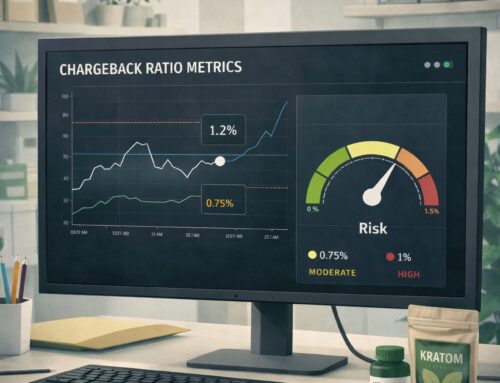
Once a merchant crosses roughly a 1% chargeback threshold, processors begin reviewing accounts closely. Standard processors may choose to terminate the account rather than manage the risk.
Shutdowns by Aggregators
Many alcohol merchants start with Square, Stripe, or PayPal because they’re fast to set up. But these providers are engineered for low-risk merchants. Once they detect liquor sales or online alcohol transactions, they often freeze funds for 90–180 days and shut the account down.
This is why a specialized alcohol merchant account exists: it’s underwritten with full knowledge of your alcohol business model and built for long-term stability.
Licensing, Compliance & Documentation for Alcohol Merchant Accounts
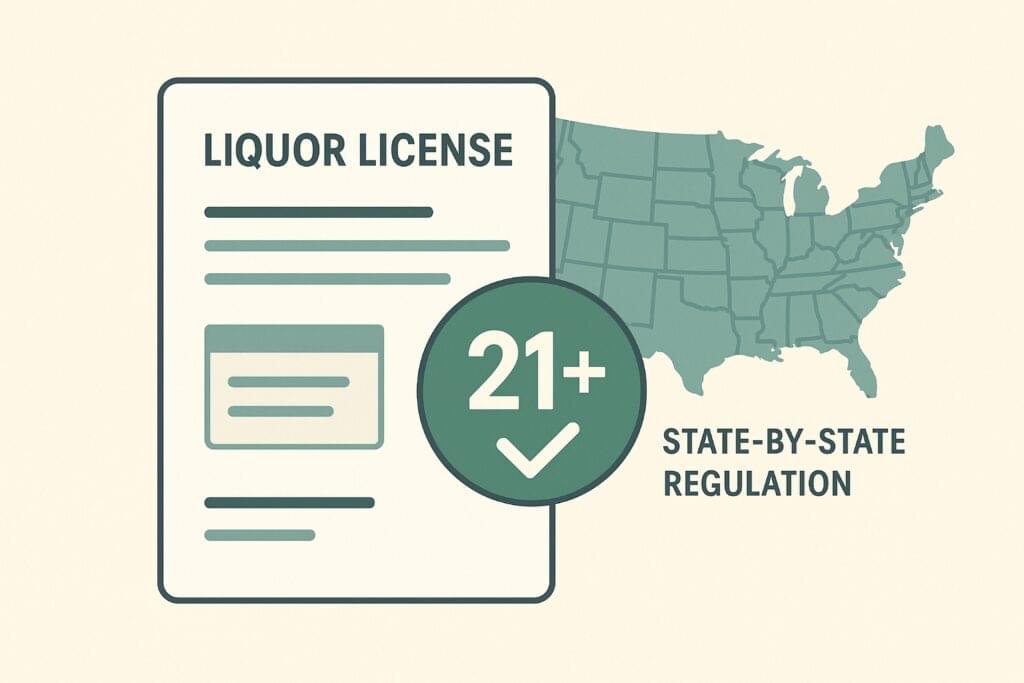
Underwriting for alcohol merchants focuses heavily on licensing and compliance. Having documentation ready makes approval smoother and reduces the likelihood of higher reserves.
Licenses & Permits You’ll Need
- Retail liquor license for each store location
- TTB permits (for wineries, distilleries, brewers, importers, wholesalers)
- Shipping permits required for online alcohol sales
- Business registration documents and EIN
Age Verification & Alcohol Delivery Requirements
Processors expect to see documented procedures for:
- Website age gates and checkout age verification
- Adult signature requirements for alcohol delivery
- Staff ID training for in-store purchases
- Prohibited-state shipping controls
Documentation Checklist
- ✔ State liquor license(s)
- ✔ Business formation documents (LLC, Corp, DBA)
- ✔ EIN and owner identification
- ✔ TTB permits (if applicable)
- ✔ 3–6 months of bank statements
- ✔ Prior processing statements (if available)
- ✔ Website URL(s) for online alcohol listings
- ✔ Age verification + shipping procedures
How to Apply for an Alcohol Merchant Account
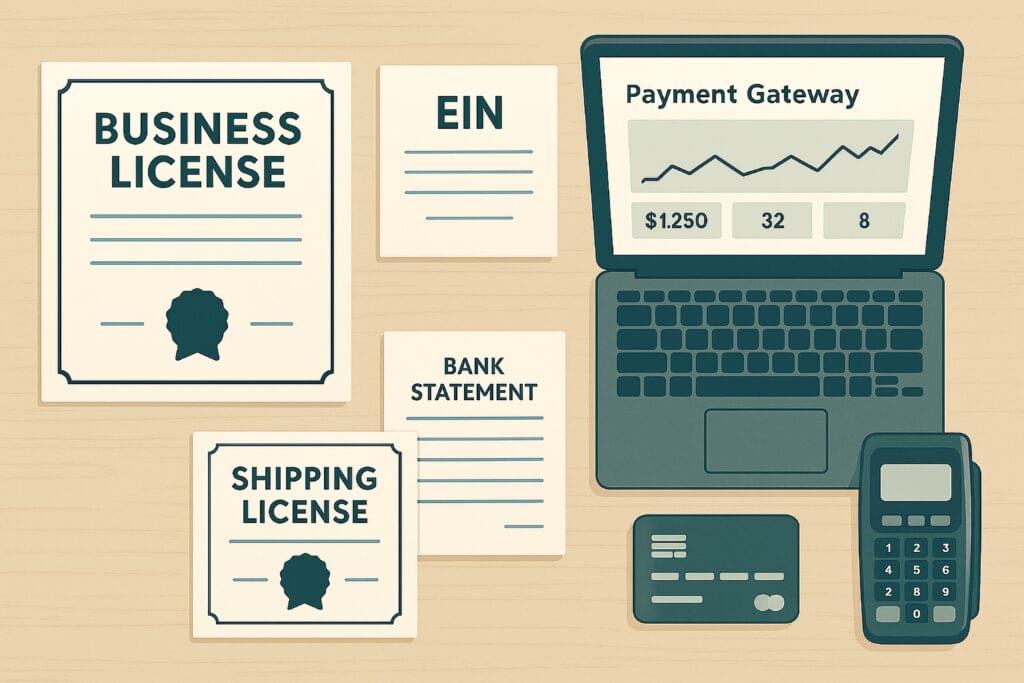
Applying for a high-risk merchant account is more involved than applying for a standard retail account, but with documentation ready, the process is straightforward.
- Your website is reviewed for compliance, clarity, and age verification.
- Your licensing is verified at the state and federal level.
- Your chargeback history is reviewed (if you’ve processed before).
If your materials are complete, most alcohol merchant accounts can be approved in roughly one–two weeks.
Prefer to avoid shutdowns and frozen funds? A properly underwritten alcohol merchant account is the difference between stable operations and unexpected interruptions.
How Alcohol Merchant Accounts Differ from Standard Accounts
| Feature | Standard Processor (Stripe, Square, PayPal) | Alcohol Merchant Account |
|---|---|---|
| Industry Support | Not designed for liquor or online alcohol sales | Built specifically for alcohol merchants |
| Account Stability | High risk of shutdown & fund holds | Underwritten for liquor businesses; stable long term |
| Compliance | Minimal; does not support alcohol shipping requirements | Supports age verification, restricted shipping & alcohol compliance |
| Pricing | 1.8–2.5% (low-risk only) | 3–5% (high-risk underwriting) |
| Reserves | Rare | Common (5–10% held 90–180 days) |
| Best For | Low-risk retailers | Liquor stores, wineries, breweries, online alcohol retailers |
A merchant account is a specialized payment processing account that allows you to accept credit card payments and deposit revenue into your business bank account. Alcohol merchant accounts are configured specifically for liquor, wine, and spirits—not generic retail.
Pricing & Reserves for Alcohol Merchants
- Typical processing: roughly 3–5% depending on volume and risk
- Per-transaction fees + monthly account fees
- Rolling reserves: usually 5–10% held 90–180 days
- More frequent monitoring of chargebacks and transaction patterns
Types of Alcohol Payment Processors
- Aggregators (Stripe, Square, PayPal): Quick onboarding but high shutdown risk for alcohol merchants.
- Dedicated high-risk processors: Built for alcohol payment processing with underwriting designed for liquor, wine, beer, and spirits merchants.
- Liquor-store-focused POS systems: Offer integrated card terminals, age prompts, inventory sync, and compliance-friendly features.
Payment Solutions by Alcohol Business Model
In-Store Liquor Store Processing
- Liquor POS systems with age prompts
- Countertop terminals with high-risk merchant accounts
- Dual pricing/cash discount programs where legal
Online Alcohol Retailers
Online alcohol sales require a secure payment gateway connected to an alcohol merchant account. Look for:
- Checkout age verification
- Shipping restriction logic
- Adult signature indicators
- Tokenization for wine clubs and subscriptions
Local Delivery & Hybrid Models
Liquor delivery businesses need mobile terminals, virtual terminals, and e-commerce gateways tied into one merchant account with centralized risk controls.
Reducing Risk: Fraud, Chargebacks, and Compliance
- Layer verification: Age gate → checkout verification → adult signature.
- Use fraud tools: AVS, CVV, velocity filters, 3-D Secure.
- Monitor disputes: Watch patterns and adjust processes early.
- Keep licensing clean: Renew permits on time to avoid compliance reviews.
Chargeback Protection Tip: Once you’re approved with VERIFIED, you’ll gain access to our discounted partnership with Disputifier. Their automated chargeback and dispute-management platform helps alcohol merchants prevent, fight, and win chargebacks—an essential layer of protection for high-risk liquor, wine, and spirits businesses.
Warning Signs When Choosing a Processor
- Guaranteed approval without reviewing your licensing
- Hidden or confusing pricing
- Reserves above 15% or very long hold times
- Multi-year contracts with large termination fees
- No experience boarding alcohol merchants
Next Steps for Alcohol Merchants
An alcohol merchant account isn’t just a payment method—it’s part of your compliance foundation. The right setup protects your revenue, prevents account freezes, and supports growth across retail, delivery, and online alcohol sales.
Get your licensing ready, document your age verification and shipping procedures, and partner with a merchant account provider that understands liquor, wine, spirits, and brewery merchants.
Don’t wait for an account freeze to fix your payments. VERIFIED Credit Card Processing provides merchant account solutions for alcohol merchants, liquor stores, wineries, breweries, and online spirits retailers. We help you get approved, stay compliant, and process payments reliably—without surprise shutdowns.
Can I use Square or Stripe for alcohol?
You may be able to sign up, but once these aggregators detect liquor transactions, they often freeze funds and shut the account down. Alcohol merchants need a specialized merchant account to avoid interruptions.
How much does alcohol payment processing cost?
Most alcohol merchants see effective rates around 3–5% plus per-transaction fees. Rolling reserves of 5–10% held 90–180 days are common for new or higher-risk merchants.
What licenses do I need?
At minimum: a valid state liquor license, business registration, and EIN. Wineries, distilleries, breweries, or wholesalers may require TTB permits. Online sellers may need additional state shipping permits.
How long does approval take?
Most alcohol merchant accounts are approved in 1–2 weeks if documentation is complete. More complex multi-state operations may take longer.
What if state alcohol laws change?
Processors may alert you to major changes, but you’re ultimately responsible for maintaining compliant shipping, licensing, and age verification. Reviewing state and local rules periodically is wise.
What’s the biggest mistake alcohol merchants make?
Starting with standard low-risk processors. Once they detect alcohol sales, shutdowns and frozen funds are common. It’s better to start with an alcohol merchant account built for your business model. They may even place you on the MATCH list.
Let us discover your best options.
Either submit the form below or get in touch with an agent now (415) 835-4135.
Applying is risk-free; we send your details to underwriters to find the best fit and contact you with the best option or request more details, with no credit checks or commitments.