Written by VERIFIED Credit Card Processing | High-Risk Payments Specialist
Kratom merchant account requirements are stricter than standard ecommerce requirements because banks do not evaluate kratom businesses as ordinary retail. They evaluate them as high-risk merchant accounts that require stronger documentation, tighter compliance, and clearer operational controls before approval. Kratom merchants usually do not get declined because they filled out the wrong form. They get declined because the bank, processor, or underwriting team does not believe the business is structured for stable payment processing over time.
Last Updated: March 2026
Key Highlights
- A kratom merchant account is approved based on risk alignment, not just business legality.
- Kratom credit card processing requires stronger documentation, tighter website compliance, and clearer product transparency than standard merchant accounts.
- Most acquiring banks want to see entity documents, processing history, support policies, and a compliant website before they will underwrite kratom merchants.
- Chargeback control matters early. Many high-risk banks begin paying closer attention before a merchant ever reaches a 1% dispute ratio.
- VERIFIED improves approval odds by matching kratom merchants to banks that already support this category instead of forcing the business into the wrong payment processor.
Direct Answer: What Are Kratom Merchant Account Requirements?
Kratom merchant account requirements are the documentation, compliance controls, website standards, and operating signals an acquiring bank reviews before approving a business to accept credit cards. For kratom merchants, those requirements usually include entity documents, EIN confirmation, owner identification, product transparency, compliant website policies, chargeback controls, and enough operational clarity for the bank to believe the business can process payments without creating excessive dispute or regulatory exposure.
Put another way, a merchant account for kratom is not just a bank product. It is an underwriting decision about whether your business can safely handle kratom payments over time.
VERIFIED underwriting position: Kratom merchant account approval is a risk alignment decision, not a paperwork exercise.
Why Kratom Merchants Face Stricter Payment Processing Requirements
Kratom merchants are considered high-risk because banks do not evaluate only what a product is today. They evaluate what could go wrong tomorrow. In the kratom industry, that includes shifting local restrictions, claim-related scrutiny, fulfillment disputes, and the possibility that one policy change forces a payment processor to tighten or exit the category.
That is why kratom businesses face stricter requirements than low-risk ecommerce. Regulatory ambiguity makes banks cautious. Caution leads to deeper underwriting. Deeper underwriting means more scrutiny of your website, your product pages, your refund language, your traffic sources, and your chargeback trends. If any of those elements feel weak, approval gets harder or pricing gets more conservative.
This is also why kratom chargebacks matter so much. Banks monitor dispute velocity because it predicts future loss exposure. A category with policy complexity plus elevated chargeback risk will always face more conservative underwriting than an ordinary online store.
VERIFIED underwriting position: Banks do not fear kratom itself. They fear unmanaged volatility around kratom sales.
Core Requirements for a Kratom Merchant Account
Most merchant accounts for kratom are approved or declined based on a few core areas. Some banks vary on the edges, but the fundamentals are consistent.
| Requirement | What Underwriters Want to See | Why It Matters |
|---|---|---|
| Business formation | LLC or corporation documents, EIN, ownership details | Confirms the kratom business is legitimate and properly structured |
| Processing history | Prior statements, volume trends, refund activity, chargeback ratios | Shows whether the merchant can handle kratom payments responsibly |
| Website compliance | Terms, privacy policy, refund policy, shipping policy, contact information, age gating | Weak websites create future disputes and compliance issues |
| Product transparency | Clear labeling, ingredient details, COAs, accurate descriptions of kratom products | Ambiguity increases decline risk and post-approval reviews |
| Operational controls | Tracking, support response times, descriptor clarity, fraud settings | These are the practical controls that protect account stability |
Business Documentation
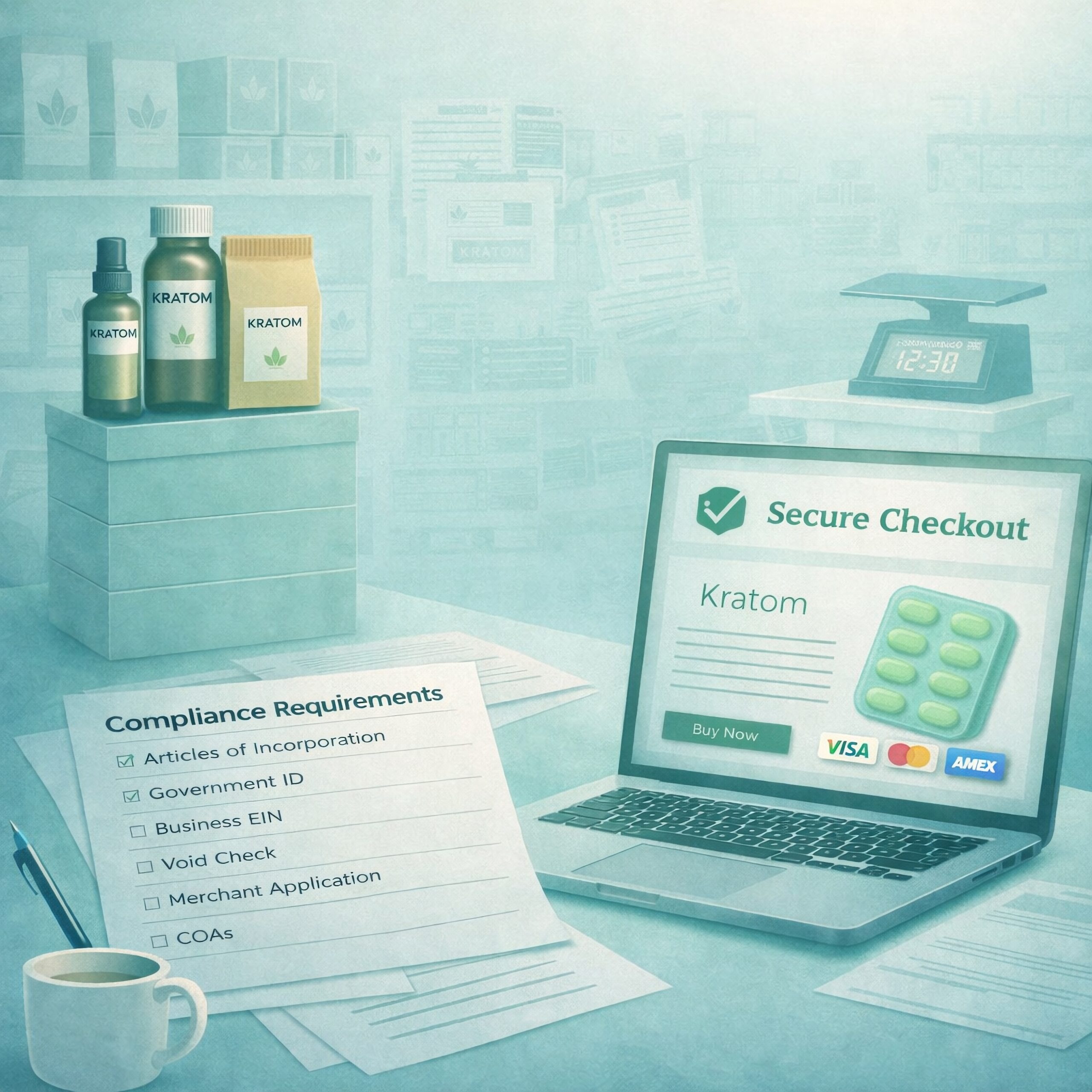
At minimum, banks usually want entity formation documents, EIN confirmation, owner ID, and a business bank account. This sounds basic, but many kratom merchants still apply too early with gaps or inconsistencies. In high-risk underwriting, small inconsistencies become large trust problems.
If you are asking about the documents needed for kratom merchant account approval, start here first. A clean legal entity file, ownership clarity, and matching business records make the rest of the underwriting review move faster.
Processing History
If you have prior volume, the bank will want to review it. Processing history helps underwriters judge how your kratom business actually behaves, not just how it is described on an application. Stable monthly volume, reasonable refund activity, and controlled chargebacks make approval easier. No history does not make approval impossible, but it often leads to higher reserves or lower opening limits.
Website Compliance
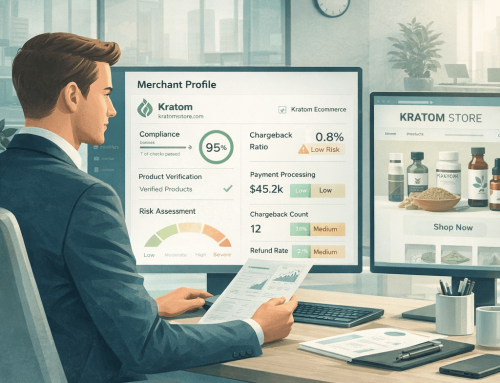
Your website is part of the underwriting file. It is not decoration. It is evidence. Underwriters review product pages, disclaimers, policies, support channels, and checkout flow because those elements predict whether customers will understand what they bought and whether they will file disputes later. For a deeper breakdown, review the kratom payment compliance checklist.
Product Transparency
If you sell kratom products, say so clearly. Publish current COAs where appropriate. Describe the types of kratom products accurately. Do not hide extracts inside vague catalog language. Do not imply medical outcomes. Banks would rather underwrite a transparent high-risk merchant than discover later that the merchant tried to minimize what it sells.
What Underwriters Look for Before They Get Approved
To get approved, kratom merchants need to understand what the underwriting team is really testing for. They are not asking, “Can this merchant process one month?” They are asking, “Can this merchant process for the next year without creating surprise losses, account closures, or network attention?”
These are the real kratom underwriting requirements that shape approval outcomes. Underwriters want to know whether the merchant can operate inside bank policy after approval, not just whether the initial application looks acceptable on paper.
That means they look at:
- Risk profile: product mix, average ticket, monthly volume, and whether the business sells standard powder and capsules or more aggressive extracts
- Fulfillment model: how quickly orders ship, whether tracking is reliable, and whether customers are likely to file “not received” disputes
- Subscription or recurring billing exposure: recurring billing adds chargeback risk if the offer is not crystal clear
- Traffic sources: aggressive advertorials and questionable funnels create worse post-transaction behavior
- Customer support maturity: fast refunds and clear contact channels reduce dispute escalation
Underwriters also care about whether the merchant is likely to trigger the exact issues covered in kratom merchant account shut down scenarios. Many shutdowns happen because the account that got boarded is not the same account the bank later sees in live production.
VERIFIED underwriting position: Approval is easy. Durable approval is engineered.
Kratom Processing Requirements Banks Quietly Care About
Some kratom processing requirements are obvious. Others are rarely stated directly but absolutely influence the outcome.
- Descriptor clarity: if the billing descriptor confuses customers, chargebacks rise.
- Age gating and geo controls: banks want evidence that compliance is operational, not theoretical.
- Clear refund expectations: vague policy language leads directly to disputes.
- Product mix honesty: the more a merchant obscures its catalog, the less comfortable the bank becomes.
- Realistic projections: inflating future volume can backfire during account setup and monitoring.
These details sound small, but they are exactly the kind of details that separate a stable account from a short-lived one. In many high risk verticals, the merchant that survives is not the one with the slickest pitch. It is the one with the fewest surprises.
Common Reasons Kratom Merchant Accounts Get Declined
Most declines fall into a handful of predictable buckets. This is where many competitors stay shallow, but the mechanism matters.
1. Incomplete or inconsistent files
If formation documents, bank information, ownership records, and website details do not line up cleanly, the underwriter assumes the file will only get messier after approval. High-risk banks do not like ambiguity. They price it, reserve against it, or decline it.
2. Weak website compliance
A site without clear terms, support information, shipping timelines, refund policy, or clean product descriptions tells the bank that future disputes are likely. The bank is not reviewing the site as a designer. It is reviewing the site as a future chargeback file.
3. Excessive claim language
Medical, disease, or exaggerated outcome language can create regulatory and reputational exposure. Even when a bank supports kratom, it may still decline kratom merchants whose content suggests future scrutiny is inevitable.
4. Elevated chargeback or refund patterns
One bad month will not always kill an application, but a pattern of messy customer behavior absolutely can. Many banks start watching more closely well before a merchant reaches a 1% chargeback ratio. If your ratio trends toward 0.75%, reserve discussions usually become more likely. That is one reason chargeback control is not optional.
5. Wrong processor fit
Sometimes the problem is not the merchant. It is the placement. A payment processor may technically board kratom today but still be a poor long-term fit for the merchant’s traffic mix, product mix, or volume profile. That is how unexpected account reviews and account freezes happen later.
How to Improve Your Chances of Approval
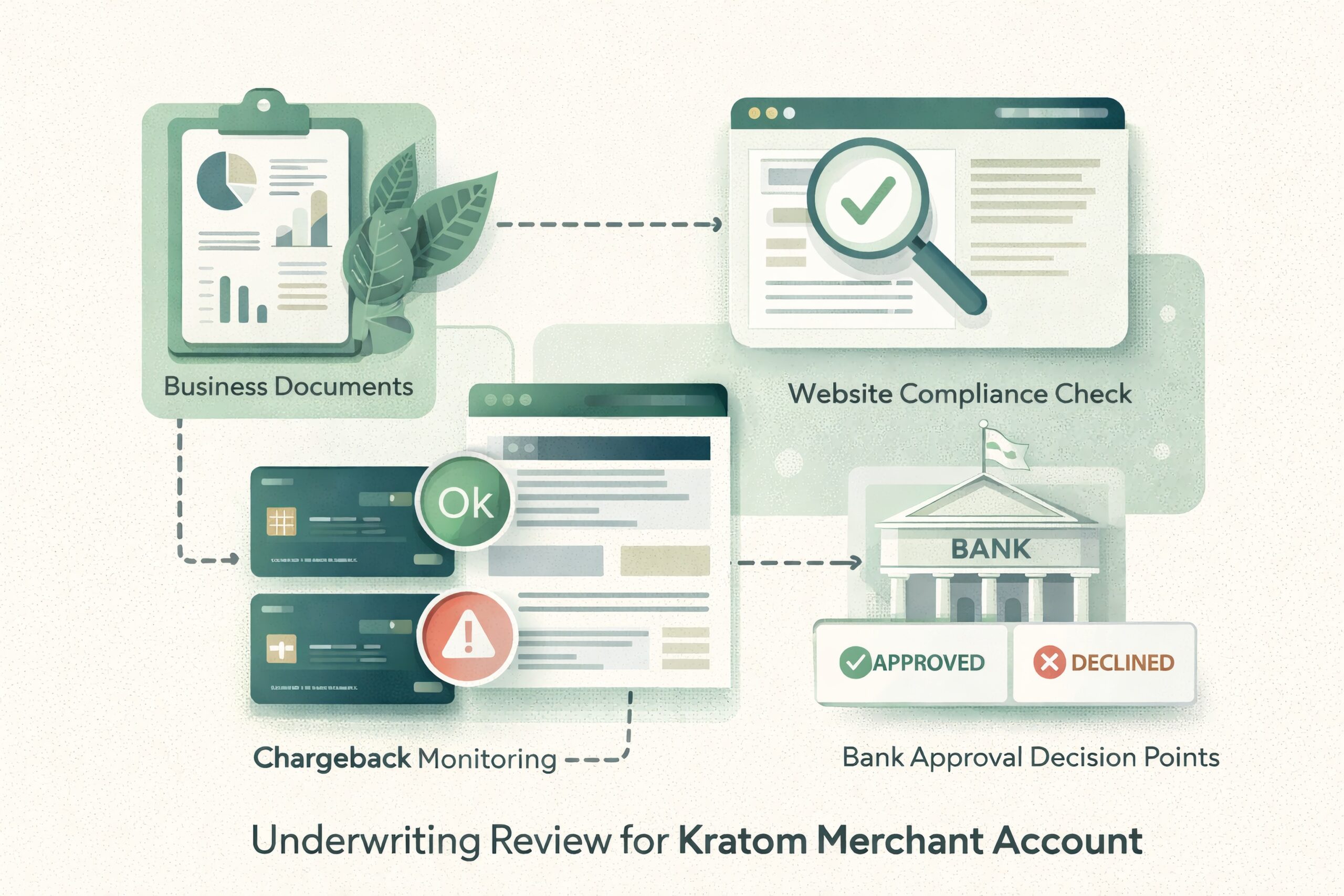
Improving approval odds is usually less about persuasion and more about reducing preventable risk signals before the file is submitted.
Build a compliant site before you apply
Do not treat compliance as a post-approval cleanup project. Fix the site first. That includes policy pages, contact information, age-gating, checkout clarity, and accurate product descriptions. A compliant site does not guarantee approval, but a sloppy one makes decline far more likely.
Control chargebacks before they become an underwriting story
Chargeback prevention is part of approval strategy, not just post-approval operations. If your current ratio is elevated, show the remediation steps already taken. Banks are much more willing to underwrite a merchant who understands the problem than one who minimizes it.
Be honest about what you sell
Underwriters do not expect low-risk businesses from kratom merchants. They expect honest files. Being transparent about product mix, average ticket, and traffic quality typically helps more than trying to make the category look safer than it is.
Document support and fulfillment maturity
If you have fast support, reliable tracking, low refund friction, and stable operations, make that visible. Those are the operational details that support reliable payment processing and lower dispute exposure.
Prepare for conservative opening terms
Some kratom merchants will be approved with a rolling reserve, meaning a percentage of transactions is held by the bank for a fixed period as loss protection. A common starting range in comparable kratom programs is roughly 5% to 10% held for 90 to 180 days, though some files land better and some worse depending on volume, chargeback history, and product profile. Approval timelines also commonly fall in the 1 to 3 week range when the underwriting file is complete. Those are not punishments. They are how banks protect themselves while a new account proves stability.
How a Broker Improves Kratom Approval Odds
This is where VERIFIED separates itself from generic merchant account services.
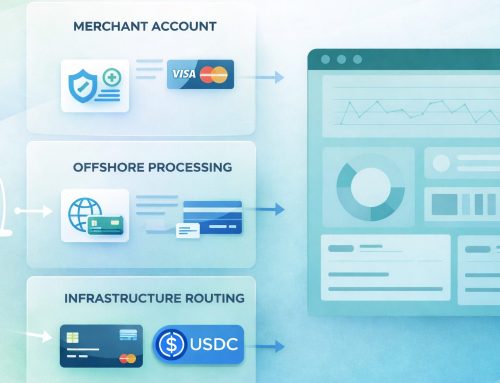
VERIFIED is not a single processor trying to force every kratom business into one bank box. VERIFIED operates as a broker across multiple acquiring relationships and payment solutions, which means the underwriting strategy can be tailored to the merchant instead of the merchant being forced to tailor the truth to one processor’s limited appetite.
Mechanically, that matters in four ways:
- Bank matching: different banks tolerate different types of kratom merchants, ticket sizes, fulfillment models, and reserve structures
- File positioning: the underwriting submission can emphasize operational controls, product transparency, and compliance in the way the bank cares about most
- Gateway and risk stack selection: the right payment gateway, fraud tools, and descriptor setup reduce future account instability
- Fallback optionality: if a sponsor bank changes policy, the merchant is not starting from zero
That is why merchants looking for a reliable kratom merchant account usually perform better with a broker-led strategy than with blind direct applications. The goal is not just obtaining a kratom merchant account. The goal is account stability.
VERIFIED underwriting position: The right bank matters more than the perfect application.
Kratom Merchant Account Requirements Checklist
- Registered entity with EIN and complete ownership information
- Business bank account ready for underwriting review
- Prior processing statements, if available
- Chargeback, refund, and support metrics under control
- Clear product pages for all kratom products
- No medical claims or vague product language
- Visible refund, shipping, privacy, and terms pages
- Accessible support channels and working contact information
- Age-gating and geo-restriction controls where appropriate
- Billing descriptor clarity and cardholder recognition planning
- Affiliate or paid traffic documentation if traffic sources are aggressive
- Operational readiness for credit card processing and post-approval monitoring
Where VERIFIED Fits in Kratom Payment Processing
VERIFIED helps kratom merchants avoid the most common underwriting mistake in this category: getting placed with the wrong bank first. The difference is not just approval odds. It is whether the account can stay live once real volume, real customer behavior, and real monitoring begin.
If you are evaluating your next move, start with the main kratom hub, review the broader kratom payment processing guide, and compare those with our newer kratom underwriting guidelines and kratom merchant account fees guide. Merchants that want to accept credit card payments without constantly worrying about shutdowns usually do better when the placement strategy is built before the first application goes in.
Frequently Asked Questions
What documents do kratom merchants usually need for a merchant account?
Most kratom merchants need formation documents, EIN confirmation, owner identification, bank account details, and a website that clearly shows policies, product information, and customer support channels.
Can I get approved for kratom credit card processing without prior processing history?
Yes, but opening terms may be more conservative. Banks may ask for stronger website compliance, lower starting limits, or a rolling reserve when there is no processing history.
Why do kratom merchant accounts get declined even when kratom is legal where I sell?
Because underwriting looks at more than legality. Banks evaluate chargeback exposure, website compliance, product claims, fulfillment reliability, and whether the overall risk profile fits the bank’s tolerance.
What chargeback level becomes a problem for a kratom merchant account?
Many banks become more cautious before a merchant reaches a 1% chargeback ratio. If disputes trend toward 0.75%, reserve pressure and monitoring usually become more likely.
How long does kratom merchant account approval usually take?
When the underwriting file is complete, many kratom merchants see approval in roughly 1 to 3 weeks. Missing documents or weak website compliance usually slow the process down.
Why does using a broker improve approval odds for kratom merchants?
A broker like VERIFIED can match the business to a bank that already supports kratom, position the file correctly for underwriting, and reduce the risk of being placed with the wrong processor.

Let us discover your best options.
Either submit the form below or get in touch with an agent now (415) 835-4135.
Applying is risk-free; we send your details to underwriters to find the best fit and contact you with the best option or request more details, with no credit checks or commitments.