How High Ticket Merchants Get Approved, Reduce Chargebacks, and Build a Stable Payment Processing Setup
Key Highlights
- A high ticket merchant account is a merchant account designed for businesses with frequent $1,000–$10,000+ transactions and higher perceived risk.
- Luxury e-commerce (jewelry, designer fashion, collectibles, high-end furniture, premium electronics, high-end ticket merchants) is often classified as a high-risk category because of fraud and chargeback exposure.
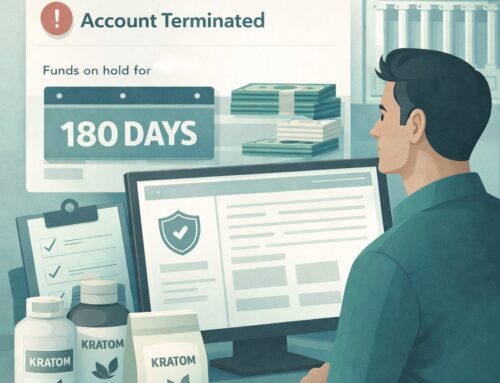
- Standard “instant-approval” payment platforms often freeze funds or close accounts once high ticket or high-volume activity appears.
- Winning long-term means combining the right high-risk merchant account, layered fraud prevention, and disciplined chargeback management.
- Partners like VERIFIED Credit Card Processing (for high-risk merchant accounts and high volume merchant accounts) and Disputifier (for chargeback reduction) help high-risk merchants protect revenue and scale safely.
What Is a High Ticket Merchant Account?


A high ticket merchant account is a specialized payment processing account for merchants whose average transaction value typically ranges from $1,000 to $10,000+. These accounts are designed to handle larger credit card transactions, higher chargeback risk, and the extra fraud controls luxury e-commerce requires.
- Best For: Luxury goods, fine jewelry, premium electronics, high-end furniture, collectibles, expensive services, and premium ticket merchant accounts for high-value events or travel.
- Typical Costs: About 3.5–5.5% processing fees plus 5–10% rolling reserves held for 90–180 days (often negotiable as your profile improves).
- Key Requirements: Deeper underwriting, strong fraud tools (3-D Secure, AVS, fraud scoring), a chargeback ratio under ~0.9%, clear policies, and PCI-compliant, secure online checkout flows.
If you sell expensive products or services online—$5,000 sofas, $8,000 watches, $12,000 art pieces, or high-end experiences—you already know that payment isn’t a small technical detail. The wrong merchant account or payment processor can freeze funds, block card payments, or shut your processing account down right as your sales start taking off.
This guide explains how a high ticket merchant account works, why high ticket merchants are often treated as high-risk merchants, how to get account approval, and how to keep your payment processing stable as you grow.
Why High Ticket Merchants Are Often Treated as High-Risk
Being labeled high-risk doesn’t mean your company is shady. It usually means your transaction size, transaction volume, and chargeback risk look different from a typical low-risk ecommerce store in the eyes of banks and card brands.
Larger Transactions = Larger Exposure
With high ticket payments, a single fraudulent credit card transaction can be worth as much as an entire week of sales for a regular merchant. One $12,000 chargeback has the same financial impact as dozens of small disputes.
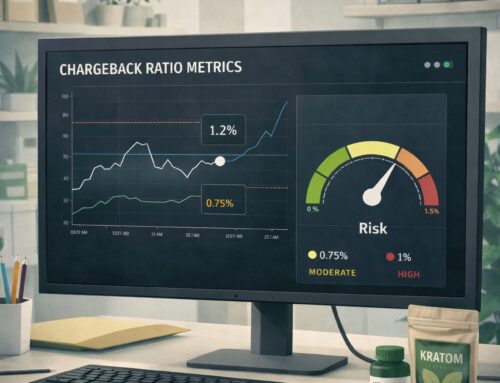
Card networks like Visa and Mastercard monitor chargeback ratios closely. According to published network monitoring guidelines, merchants approaching roughly 0.9% chargeback ratio (disputes divided by total transactions) can be flagged for programs that come with extra scrutiny and potential penalties. For high ticket merchants with fewer total transactions, just a couple of bad orders can push that ratio over the line.
Luxury Goods and Experiences Attract Fraud
Luxury categories have a greater risk of fraud by nature:
- Fine jewelry, watches, and designer fashion are easy to resell and ship worldwide.
- Premium electronics can be fenced quickly and often retain high resale value.
- High-end ticket merchants selling VIP packages or travel see fraudsters buying and flipping access.
- Collectibles and art drive disputes over authenticity or condition.
Industry data shared by merchant risk associations shows that luxury e-commerce often sees multiple times the fraud attempt rate of standard retail, simply because the payoff per successful attack is much higher.
On top of that, “friendly fraud” is common. A customer makes a legitimate credit card purchase, receives the product or service, then disputes the credit card transaction later. At high ticket levels, the incentive to try this increases.
High Volume Multiplies the Stakes
Some merchants combine high ticket and high volume. A business processing $400,000 a month with an $8,000 average ticket is exactly the kind of profile banks place in a high-risk merchant account bracket. Even if customer satisfaction is strong, the potential dollar loss from fraud and chargebacks is much higher than a standard low-risk retailer.
To manage that risk, banks use high volume merchant accounts with tighter monitoring, limits on monthly volume, and sometimes rolling reserves—especially early in the relationship.
High Ticket vs. Standard Merchant Accounts
On the surface, every merchant account lets you accept payments and get funded in a few business days. Underneath, though, high ticket merchant accounts are structured very differently from standard, low-risk accounts.
| Feature | Standard Merchant Account | High Ticket / High-Risk Merchant Account |
|---|---|---|
| Underwriting | Quick, automated approval based on basic business details. | Deeper underwriting focused on ticket size, industry, and chargeback risk. |
| Typical Ticket Size | $20–$500 per transaction. | $1,000–$10,000+ per transaction. |
| Risk Category | Low-risk categories with stable history. | Often labeled high-risk category, including luxury, travel, consulting, and some ticket merchants. |
| Reserves / Holds | Usually no rolling reserve at low volume. | 5–10% rolling reserves and delayed funding are common at the start. |
| Pricing | Lower processing fees, simple tiered or flat rates. | Higher fees than low-risk accounts at first, but negotiable as data improves. |
| Tools & Support | Basic fraud filters and generic support. | Advanced fraud stack, chargeback alerts, and a risk team for high-risk merchants. |
In simple terms: a high ticket merchant account is the “reinforced” version of a standard account. It’s designed for high transaction values, more complex risk profiles, and stricter compliance rules, while still enabling secure payment and reliable payment processing at scale.
Who Actually Needs a High Ticket Merchant Account?
You’re likely a good fit for a high ticket merchant account if any of this sounds familiar:
- Your average transaction is consistently above $1,000.
- You sell luxury goods, fine jewelry, rare collectibles, or custom furniture.
- You offer expensive consulting, masterminds, or coaching packages.
- You’re a ticket merchant selling high-priced travel or VIP experiences.
- Your monthly volume is moving toward six figures or more.
- You’ve already had holds or closures with plug-and-play processors.
In these cases, relying on a basic processor or “high risk pay” aggregator usually works right up until it doesn’t—when a sudden spike, a handful of chargebacks, or a single large fraud event triggers an account review.
Getting Approved: What Underwriters Want to See
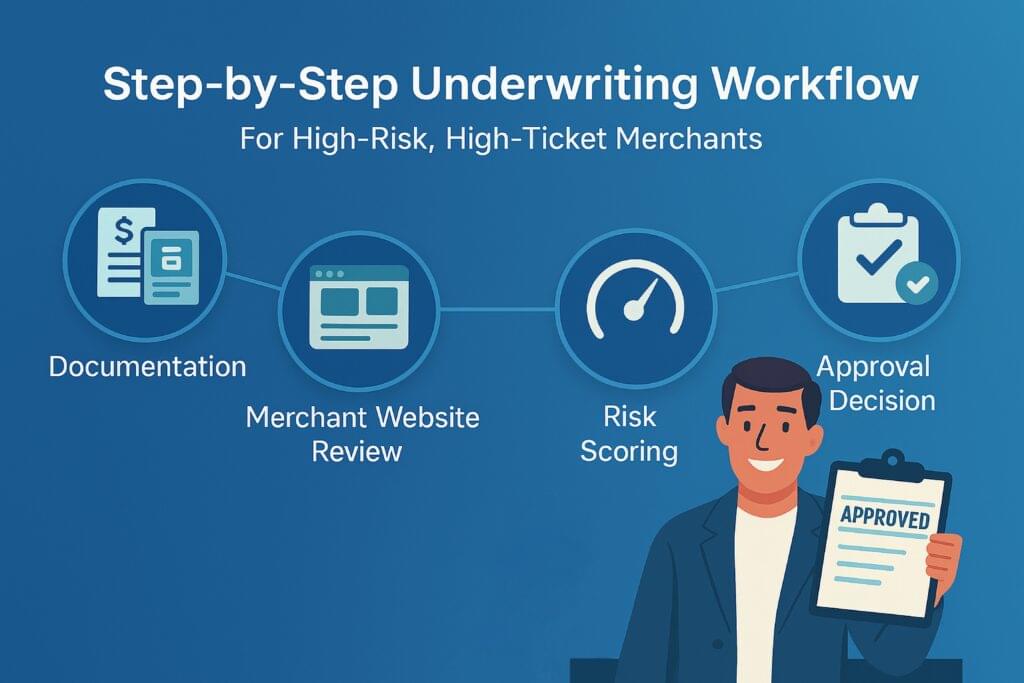
The approval process for a high-risk merchant account is more involved than filling out a short form. Underwriters treat you more like a real credit relationship than a commodity merchant. That’s actually good news if you prepare properly.
Core Underwriting Factors
- Business history: Time in business, growth pattern, and whether you’re a new high-risk business or an established brand.
- Transaction volume: Past and projected monthly volume, average ticket, max ticket, and transaction rates.
- Chargeback history: Current chargeback ratio, reasons for disputes, and whether you’ve been terminated elsewhere.
- Owner profile: Credit history and any prior issues with merchant accounts or payment processing.
- Industry and product or service type: Whether your vertical is often labeled high-risk (luxury, certain supplements, some ticket merchant accounts, etc.).
- Cash flow and reserves: Bank balances, cash flow stability, and ability to handle refunds or chargebacks.
Document Checklist for High Ticket Merchant Accounts
| Document | How It Helps Account Approval |
|---|---|
| Business formation docs (LLC/Inc, licenses) | Proves the legal merchant entity and ownership structure. |
| EIN / tax ID confirmation | Required for tax reporting and merchant account setup. |
| 3–6 months of bank statements | Shows cash flow, cash reserves, and overall financial strength. |
| 3–6 months of processing statements | Reveals average ticket, monthly volume, chargebacks, and refunds. |
| Owner ID and recent utility bill | Supports KYC/AML checks and verifies address information. |
| Website URL and screenshots | Lets underwriters review how you present offers, policies, and pricing. |
| Supplier contracts / authenticity docs | Important for luxury goods and collectibles to reduce counterfeit risk. |
Accuracy matters more than perfection. A short cover note explaining your business model, high ticket range, fraud controls, and chargeback prevention strategy can increase confidence and speed up account approval.
High Ticket Merchant Account Timeline: What to Expect
Week 1: Document gathering and initial application submission.
Week 2: Underwriting review and follow-up questions.
Week 3: Account approval with initial terms (limits, reserves, pricing).
Months 1–6: Processing under closer monitoring with reserves in place.
Month 6: First meaningful review point to request lower fees or reserves.
Month 12: Major renegotiation opportunity with a full year of data.
Month 24+: Mature account with optimized pricing and minimal restrictions if performance remains strong.
Working With the Right Merchant Account Provider
Not every merchant account provider is built for high ticket or high-risk industries. Some merchant service providers are great for everyday retail but panic at $15,000 online payments.
What a Strong High Ticket Provider Looks Like
- High ticket experience: They already support similar merchants and high-risk industries.
- Industry comfort: Your category (jewelry, furniture, premium events) isn’t on their prohibited list.
- Flexible risk tools: Rolling reserves, high volume merchant accounts for businesses, and limits that can grow as you do.
- Modern payment gateway: A payment gateway or online payment gateways that support 3-D Secure 2.0, tokenization, recurring billing if needed, and robust fraud rules.
- Transparent pricing: Clear processing fees, monthly fees, and explanation of reserve terms.
- Reasonable approval process: Thorough underwriting without being adversarial.
VERIFIED Credit Card Processing acts as a high-risk merchant account provider and broker. Instead of guessing which bank will accept your profile, VERIFIED can route your application to acquiring banks that specialize in high ticket merchant accounts and high-volume accounts, improving account approval odds and helping you negotiate better terms.
Pricing, Fees, Rolling Reserves, and Real-World Costs
Because high ticket merchants present higher perceived risk, pricing for these specialized accounts starts higher than low-risk accounts. The key is understanding the structure and the path to better terms over time.
Common Fee Components for High Ticket Merchant Accounts
Industry benchmarks show that high-risk merchant account pricing typically looks like this:
- Discount rate: The percentage taken from each credit card transaction. For high-risk merchant accounts, this often starts around 3.5–5.5%, compared to roughly 2.5–3.5% for low-risk merchants.
- Per-transaction fee: A small flat fee (e.g., $0.20–$0.50) per transaction. On big tickets, this matters less than the percentage.
- Monthly fees: Gateway fees, statement fees, and sometimes high monthly minimums.
- Chargeback fees: A fixed fee for each chargeback, regardless of outcome.
- Rolling reserve: A percentage (often 5–10%) of each transaction held for 90–180 days to mitigate risk.
Real-World Cost Examples
Scenario 1: Mid-Sized Luxury Retailer
- Monthly volume: $150,000
- Average ticket: $3,500
- Discount rate: 4.5%
- Monthly processing fees: $6,750
- Rolling reserve: 7% held for 120 days (~$42,000 held once in steady state)
After 12 months of processing with a chargeback ratio under 0.5%, this merchant uses their history to negotiate down to a 3.8% rate and a 5% reserve. That saves roughly $1,050 per month in fees and frees up about $12,600 in working capital.
Scenario 2: High-Volume Jewelry Merchant
- Monthly volume: $400,000
- Average ticket: $8,000
- Discount rate: 4.0%
- Monthly processing fees: $16,000
- Rolling reserve: 5% held for 90 days (~$60,000 held once in steady state)
- Chargeback ratio: 0.3%
With consistently low chargebacks and good customer satisfaction, this merchant is in a strong position to negotiate better pricing, lighter reserves, or faster payouts over time.
Scenario 3: Ultra-Luxury / Custom Experience Merchant
- Monthly volume: $250,000
- Average ticket: $25,000
- Typical offers: Custom furniture sets, rare art pieces, or luxury travel packages.
- Discount rate: 3.5% (negotiated based on high value, lower transaction count).
- Monthly processing fees: $8,750
- Rolling reserve: 5% held for 90 days (~$37,500 held once in steady state)
- Special considerations: Manual review on every order, personalized fraud verification, and often 30–50% deposits to reduce exposure.
In this scenario, the merchant treats their high ticket merchant account as part of the overall customer experience—building in verification calls and white-glove handling while still keeping card payments convenient for affluent clients.
This is why it’s so important to approach a high ticket merchant account as an evolving relationship rather than a static cost. Your performance can unlock better terms.
Fraud Prevention for High Ticket E-Commerce
Fraud is one of the main reasons high ticket merchants fall into the high-risk category. The goal isn’t to block everything that looks slightly risky—it’s to mitigate risk while still approving legitimate customers who want to spend real money with you.
Common Fraud Threats
- Card-not-present fraud: Stolen credit cards used to buy high-value goods or tickets online.
- Friendly fraud: Real customers who dispute the payment after receiving the product or service.
- Account takeovers: Fraudsters seizing control of customer accounts and abusing stored card details.
- Triangulation and reshipping scams: Fraudulent resellers using your store as a drop-shipper with stolen cards.
Layered Fraud Prevention Tools That Actually Work
Most established high-risk merchants use multiple tools in combination. Effective high ticket payment processing typically includes:
- AVS (Address Verification Service): Checks billing addresses against card issuer records.
- CVV verification: Confirms the 3–4 digit security code, blocking many automated attacks.
- 3-D Secure 2.0: Adds an extra authentication step (via bank or app) and can shift fraud liability away from the merchant.
- Fraud scoring / machine learning: Evaluates each transaction based on device fingerprint, IP, behavior, and history.
- Velocity rules: Flags unusual patterns such as bursts of high transaction attempts from one card or IP.
- Manual review queue: Routes ultra-high ticket orders to a trained team member for quick verification.
Good fraud prevention is a balancing act. If your filters are too strict, you’ll lose real customers to false declines. If they’re too loose, you’ll invite fraud and chargebacks that could threaten your merchant account.
Chargeback Prevention and Working With Disputifier
Even with strong fraud controls, high ticket merchants will see some disputes. Because each chargeback can be worth thousands of dollars, managing them actively is not optional—it’s core to keeping your merchant account healthy.
Preventing Chargebacks Before They Start
- Clear product descriptions: Multiple photos, honest condition notes, and precise specs reduce “not as described” disputes.
- Transparent policies: Refund, return, and shipping policies displayed clearly before checkout.
- Strong fulfillment: Tracked, insured shipping with signatures for expensive orders, plus retained proof of delivery.
- Accessible customer support: Phone, email, or chat support clearly published so customers can contact you before they contact their bank.
- Proactive communication: Order confirmations, shipping notifications, and follow-up emails that check in on satisfaction.
When Chargebacks Happen Anyway
When a customer disputes a credit card transaction, you usually have one chance to respond through representment. To maximize your win rate, you’ll need:
- Order details and invoices.
- Tracking and delivery confirmation (ideally with signature).
- Screenshots of product pages and terms shown at checkout.
- Logs of fraud checks (AVS, CVV, 3-D Secure results).
- Any conversation history with the customer (email, chat, support tickets).
This is where many high ticket merchants decide to use a dedicated chargeback solution like Disputifier (VERIFIED Credit Card Processing merchants get discount rates through us). Instead of managing everything manually, Disputifier integrates with your merchant account and payment gateway, pulls in the data it needs, and builds structured responses that match card network requirements. That can improve your approval rate on disputes and free your team to focus on sales and operations.
For high ticket merchants, preventing and winning even a handful of chargebacks per year can easily cover the cost of such a service.
Scaling Safely: High-Volume Accounts, Multiple MIDs, and Redundancy
Once your high ticket merchant account is live and stable, the next challenge is scaling without triggering panic at the bank. That’s where planning for high-volume accounts and redundancy comes in.
High-Volume and Multiple Merchant Accounts
As monthly volume grows, it can make sense to:
- Negotiate higher limits with your existing merchant account provider.
- Set up a second merchant account or MID to spread transaction volume.
- Route specific products, countries, or card types through different accounts.
This strategy can reduce concentration risk and protect your business if a single acquirer changes its risk appetite or has a technical issue. Many high-risk merchants end up with specialized accounts for different regions or products to keep everything smooth.
Red Flags That Your Current Setup Isn’t Built for High Ticket
- Your processor has already frozen funds after a few large transactions.
- You’ve been told your business is “too high-risk” after months of processing.
- Your payouts suddenly slow down or become inconsistent without clear explanation.
- You’re regularly hitting arbitrary limits on ticket size or monthly volume.
If any of these are starting to happen, it’s a sign your current provider does not specialize in high ticket merchant accounts or high-risk merchant services. It’s usually better to proactively move to a proper high-risk merchant account provider than wait for a shutdown in the middle of a busy month.
Quick-Start Checklist for High Ticket Merchants
✔ Define your average ticket, max ticket, and projected monthly volume.
✔ Gather bank statements, processing statements, and business documents.
✔ Audit your website for clear policies, secure online checkout, and PCI compliance.
✔ Implement basic fraud tools (AVS, CVV, 3-D Secure) and set up a manual review threshold.
✔ Track chargebacks and refunds weekly, not quarterly.
✔ Talk to a high-risk merchant account provider like VERIFIED Credit Card Processing about specialized accounts for your profile.
✔ Consider Disputifier or similar for automated chargeback handling, there are no costs unless chargebacks occur and often cheaper than the fees a processor would’ve charged you.
Final Thoughts: Treat Payments as a Growth Lever, Not Just a Utility
High ticket merchants have more upside and more downside than standard ecommerce stores. A well-structured high ticket merchant account, backed by the right payment processing, fraud tools, and chargeback strategies, gives you room to grow without worrying that a handful of disputes will derail your business.
When you handle payments correctly, your merchant account stops being a fragile bottleneck and becomes an asset—a system that supports secure payment, helps you accept credit and debit card payments globally, and builds trust with both banks and customers.
That’s where partners like VERIFIED Credit Card Processing and Disputifier come in. VERIFIED helps you find and manage the right high-risk merchant account provider and high-volume accounts; Disputifier helps protect those accounts from fraud and chargebacks. Together with a solid internal process, they give you the infrastructure to scale high ticket sales with confidence.
If you’re serious about growing luxury or high ticket ecommerce, it’s worth treating your merchant account not as a line item—but as a core part of your growth strategy.
Do all luxury or high ticket merchants need a high-risk merchant account?
Not every luxury merchant is automatically high-risk, but many are. If your average ticket is in the thousands, you sell online, and you operate in categories with a higher chance of fraud or chargebacks, acquiring banks will usually treat you as a high-risk merchant and underwrite you for a specialized account.
What’s the difference between a high-risk and standard merchant account?
A standard account assumes low transaction values and relatively low chargeback risk. A high-risk merchant account is built for larger transactions, industries with more disputes, and higher exposure per sale. The approval process is deeper, fees are higher at first, rolling reserves are common, and there’s more focus on fraud tools and chargeback monitoring.
How much does a high ticket merchant account cost?
Costs vary by industry and profile, but many high ticket merchants see 3.5–5.5% processing fees, $0.20–$0.50 per transaction, $25–$100 in monthly fees, and 5–10% rolling reserves held for 90–180 days. A $10,000 sale can easily cost $350–$550 in processing fees. Over time, strong performance can bring those numbers down.
What chargeback ratio is acceptable for high ticket merchants?
For long-term stability, aim to keep your chargeback ratio under 0.5%. Visa starts monitoring merchants around 0.9%, and rates above 1% can lead to fines, extra scrutiny, or even termination. High ticket merchants with fewer total transactions have less room for error, so chargeback prevention and quick response are critical.
How long does it take to get approved for a high ticket merchant account?
With complete documentation and a straightforward profile, many high ticket merchants see approval in about 3–7 business days. More complex profiles—new businesses, low credit scores, prior account closures, or unusual industries—may take 2–3 weeks while underwriters review details and ask follow-up questions. Having bank statements, processing history, and website compliance ready upfront, and working with a specialist like VERIFIED Credit Card Processing, can significantly speed up the approval process.
Can I stay on Stripe, PayPal, or similar platforms for high ticket payments?
Some merchants do for a while, but many run into issues when they start processing high ticket or high-volume transactions. These platforms are fantastic for low-risk, low-ticket ecommerce, but they aren’t designed to be specialized accounts for high-risk merchants. If your model doesn’t match their risk comfort, they can freeze funds or close accounts very quickly.
Can I negotiate high-risk merchant account fees?
Yes. Your first pricing is a starting point, not a life sentence. Once you have 6–12 months of clean processing with low chargebacks, you can use that track record to negotiate lower processing fees, reduced reserves, better transaction limits, and faster payouts. Providers like VERIFIED Credit Card Processing can help structure that conversation with acquiring banks. Also, if you are already processing and send in your statements based on history and rates of cards ran we can work to lower your current fees.
How important is PCI compliance for high ticket merchants?
Very important. PCI isn’t just a box to check; it’s a framework for secure payment handling. Staying PCI compliant helps you prevent data breaches, reduce chargeback risk tied to compromised cards, and avoid extra “non-compliance” fees on your merchant account. Your payment gateway and processor should guide you through the PCI process each year, often with an online survey to be completed.
What is a payment gateway and why does it matter here?
A payment gateway is the secure bridge between your ecommerce site and your acquiring bank. For high ticket businesses, the gateway needs to support advanced fraud tools, 3-D Secure, tokenization, and flexible integration options. The right gateway is a key part of reliable payment processing and can have a major impact on both approval rates and fraud losses.
What’s the role of VERIFIED Credit Card Processing in all of this?
VERIFIED Credit Card Processingu specializes in placing high ticket merchant accounts and high-risk merchants with processors and banks that understand their models. They prepare your application, navigate the approval process, and renegotiate terms over time as your performance improves. Instead of hoping a generic provider will accept your risk, you work with merchant service providers who specialize in high-risk pay environments.
How can Disputifier help my business?
Disputifier uses automation and AI to help merchants prevent, manage, and win chargebacks. It integrates with your processing account, pulls in data from your orders and policies, and builds strong responses tailored to card network rules. For high ticket merchants, a few extra wins—or a lower chargeback ratio overall—can be the difference between comfortable growth and constant account stress. Getting chargeback alerts stops the chargeback before it hits your processing account keeping your ratio down. Get preferred discount pricing through VERIFIED.
Let us discover your best options.
Either submit the form below or get in touch with an agent now (415) 835-4135.
Applying is risk-free; we send your details to underwriters to find the best fit and contact you with the best option or request more details, with no credit checks or commitments.